選擇語言
選擇語言 
Silicone rubber is the largest category among organic silicon 產品. It is a high-molecular polymer with an inorganic Si–O–Si main chain structure and organic side groups, combining both inorganic and organic characteristics.
Compared with conventional organic rubbers, silicone rubber possesses excellent heat resistance, weather resistance, electrical insulation, chemical stability, and physiological inertness, making it widely used in electrical, electronics, automotive, food, household, and leisure 產品 產業.
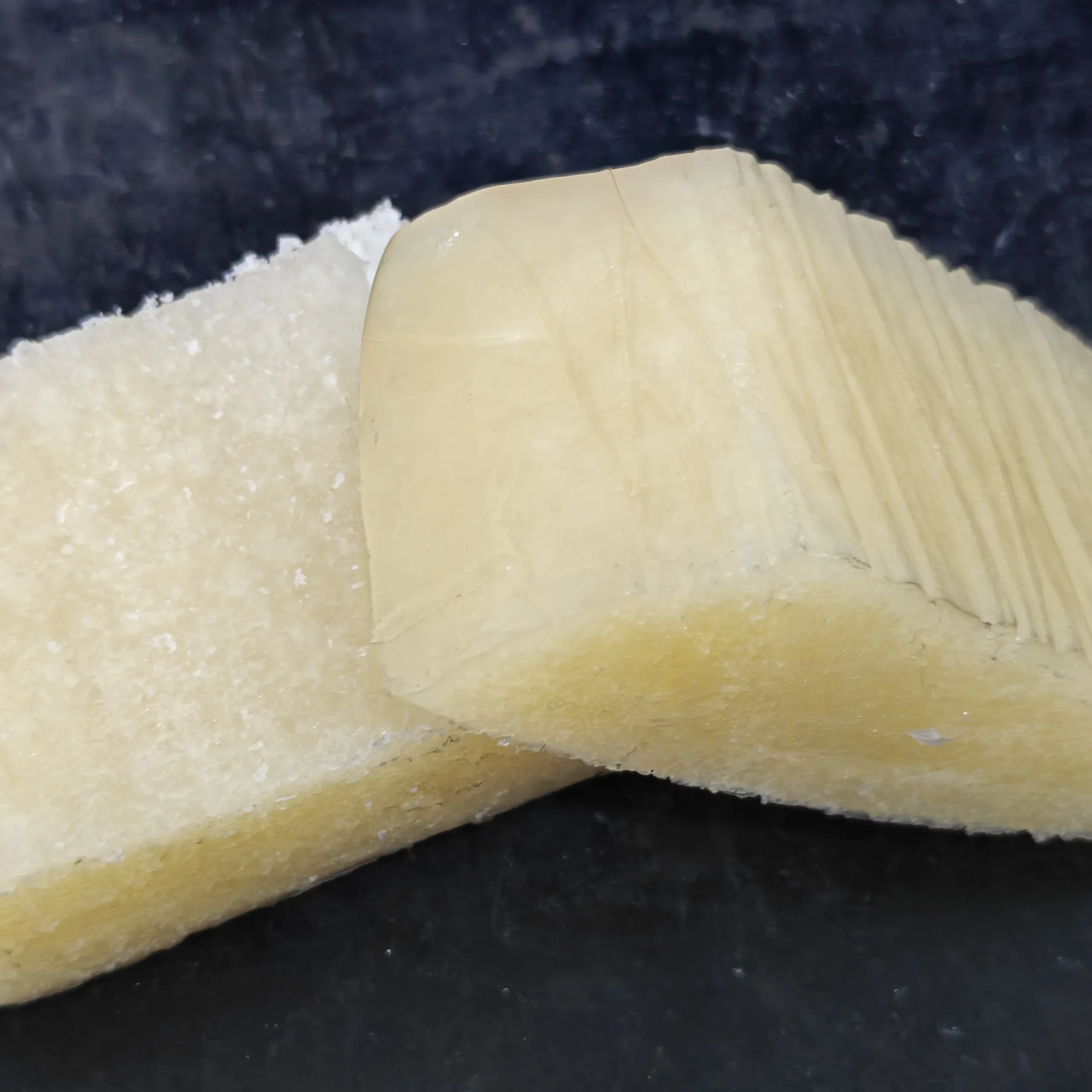
1. High-Temperature Vulcanized Silicone Rubber
Silicone rubber is mainly 班級ified into high-temperature vulcanized (HTV) and room-temperature vulcanized (RTV) types. The RTV silicone rubber can be further divided into condensation-cure and addition-cure systems.
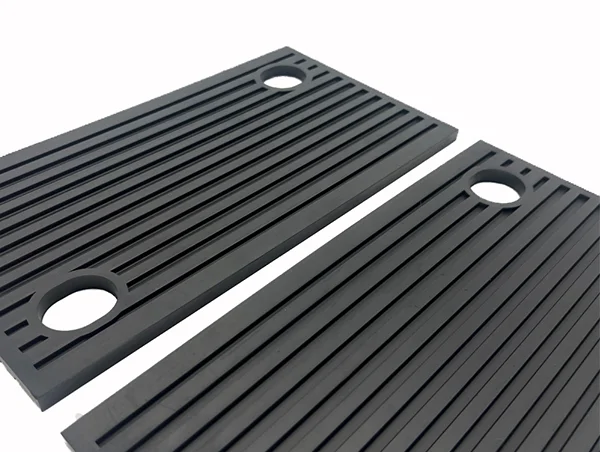
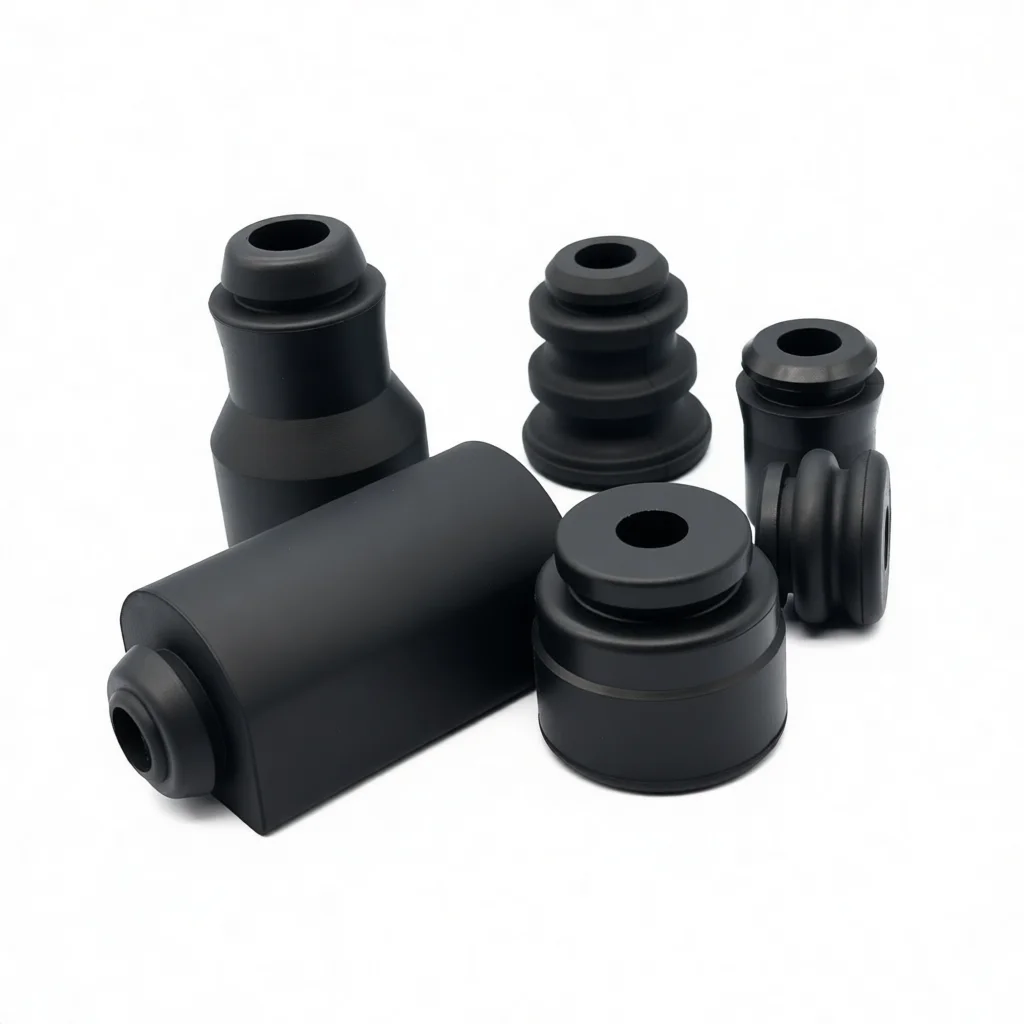
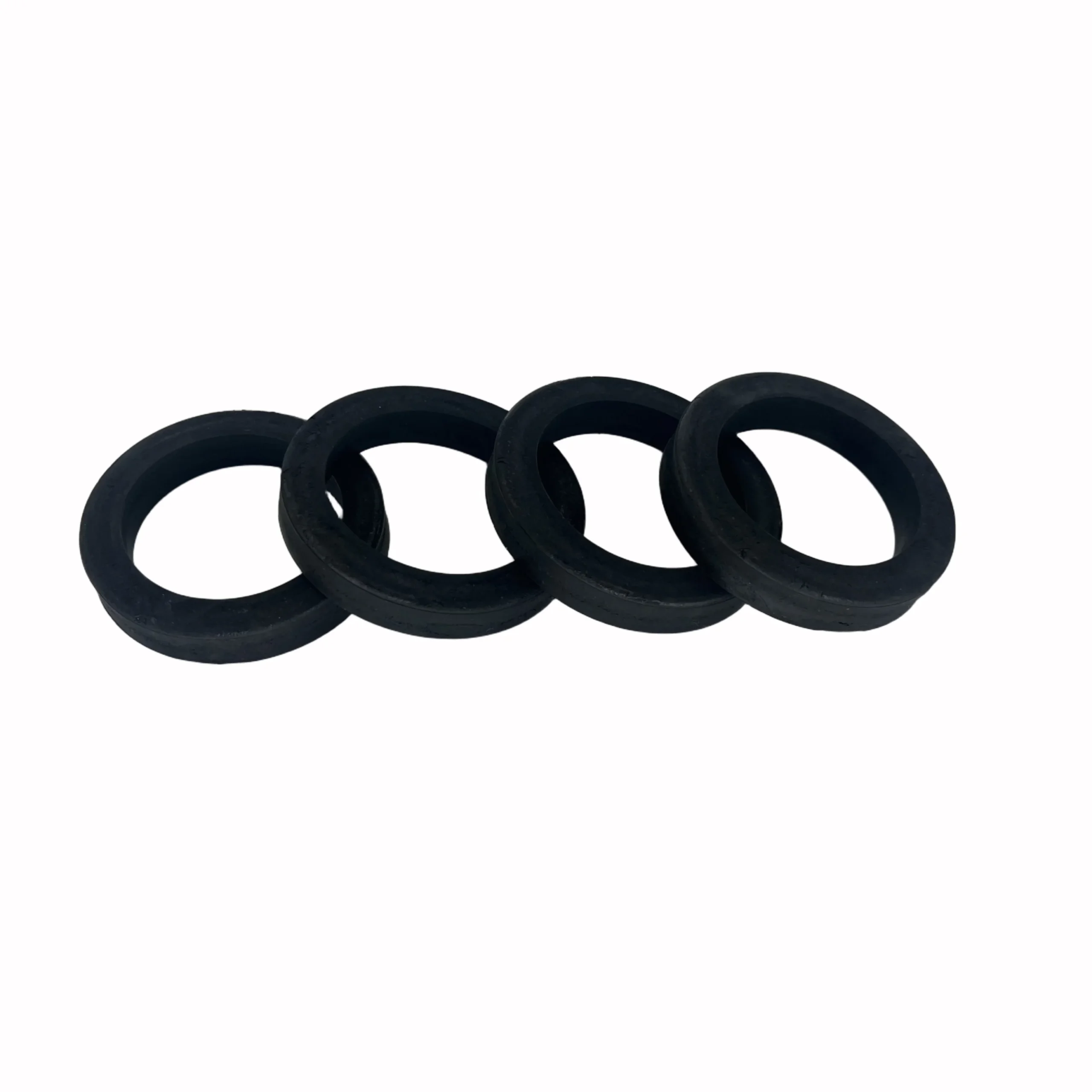
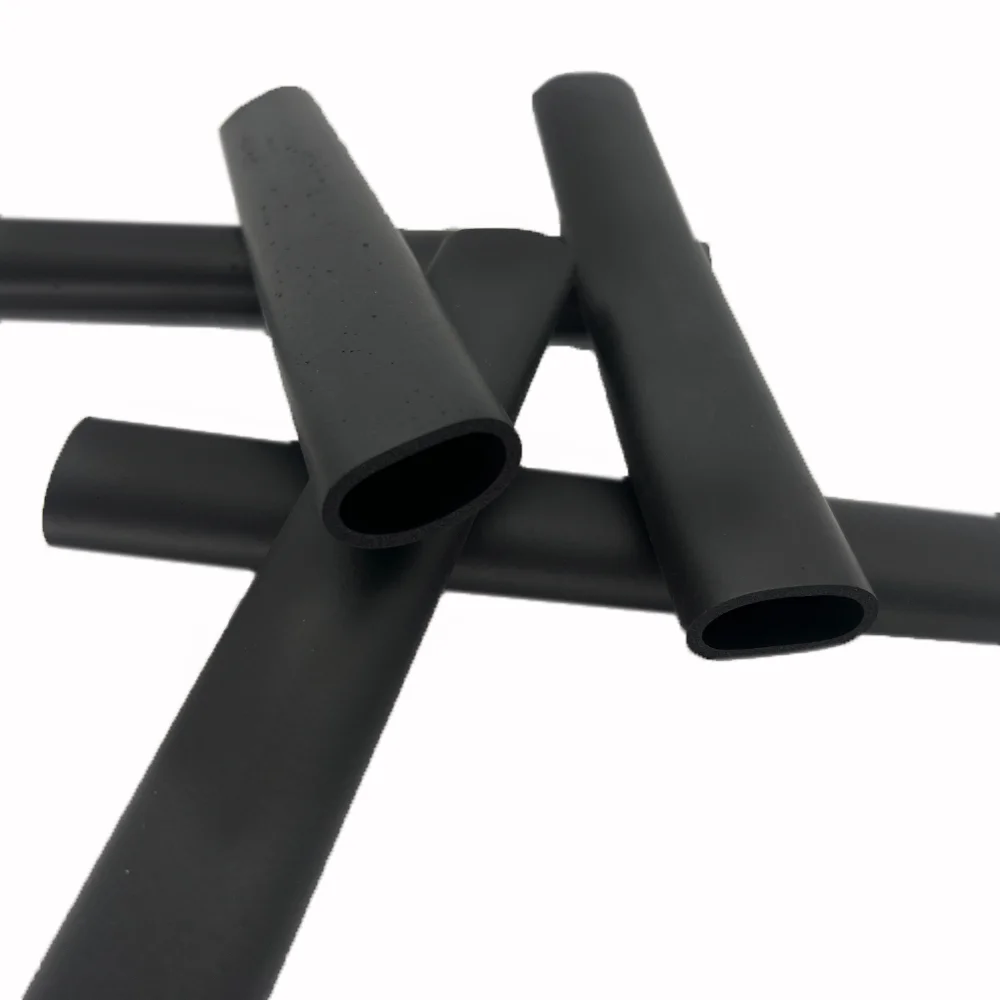
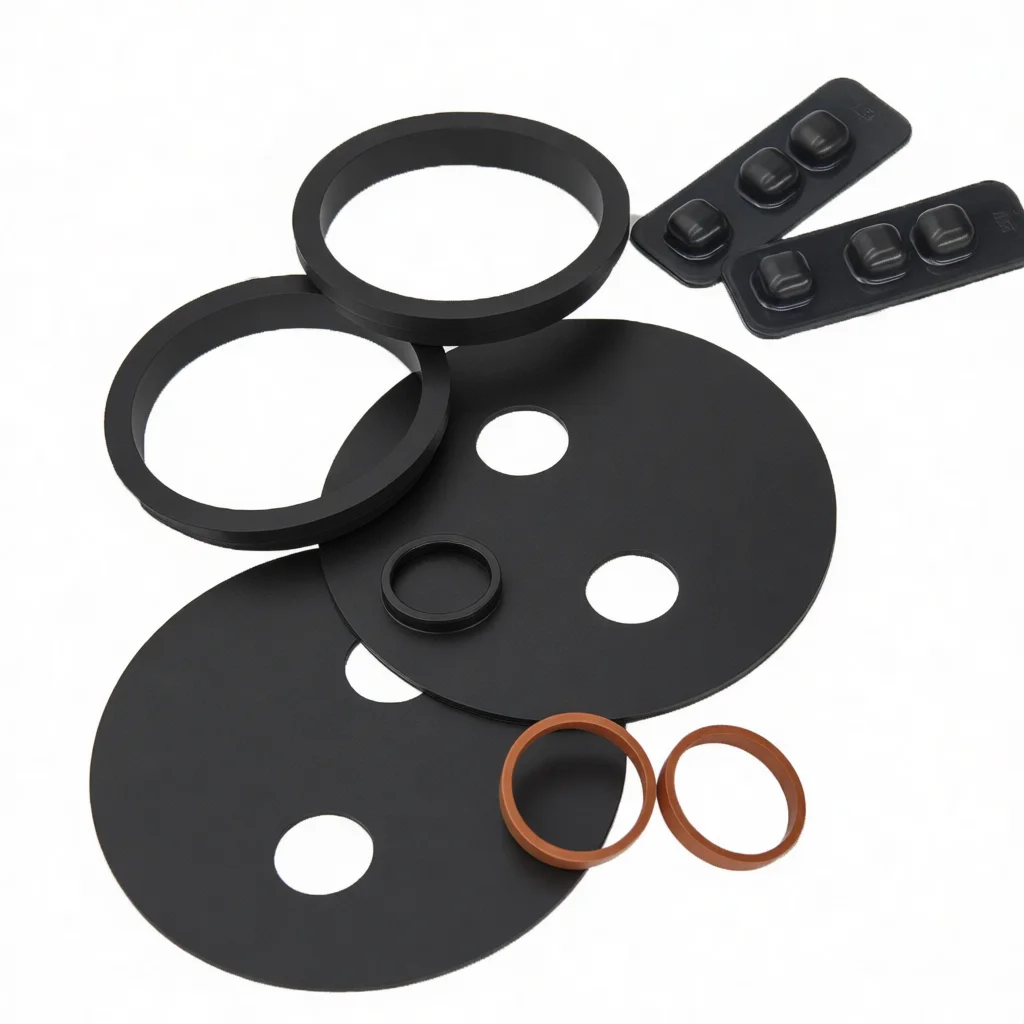
HTV silicone rubber is mainly used to produce various vulcanized rubber parts, such as automotive sealing rings, gaskets, cable sheaths, keyboard conductive p文章s, and medical silicone tubes.
In contrast, RTV silicone rubber is often used as adhesives, potting compounds, or mold-making materials, some of which function as non-vulcanized rubber components in later processing or protective structures.
HTV silicone rubber includes several types: methyl silicone rubber (MQ), methyl vinyl silicone rubber (VMQ, the most widely used), and methyl vinyl phenyl silicone rubber (PVMQ), known for its excellent low-temperature and radiation resistance.
Among them, VMQ contains a sm全部 amount of vinyl side chains, enhancing vulcanization reactivity. It can use various peroxide curing agents and effectively improves the compression set resistance, a critical property for high-performance vulcanized rubber parts such as O-rings and sealing gaskets.
This material exhibits excellent processing characteristics, smooth extrusion surfaces, and easy operation, making it one of the most commonly used HTV silicone rubbers in the market.
1.1 Causes of Yellowing in Silicone Rubber
In actual 產品ion of HTV silicone rubber, a secondary vulcanization process is often required to remove residual peroxide by產品 and increase crosslinking density, thereby enhancing the mechanical strength and stability of vulcanized rubber parts.
However, during this process, some silicone rubber 產品 may exhibit yellowing or decreased transparency, directly affecting their 應用 in high-purity 產業 such as food, medical, and solar photovoltaic sectors.
Re搜尋 indicates that the causes of yellowing include:
Trace metal elements or nitrate ions (NO₃⁻) in raw gum or additives, which trigger yellowing during secondary vulcanization;
Peroxide decomposition generating acetone, leading to α-hydroxybutyraldehyde condensation and conjugated compound formation;
The pH level of fumed silica significantly influencing yellowing intensity.
Thus, improvement measures gener全部y focus on raw gum, fumed silica, and additives.
1.2 Measures to Improve Yellowing Resistance
Re搜尋ers have proposed multiple anti-yellowing 解決方案, such as:
Using modified silicone oil that acts as both a crosslinking co-agent and anti-yellowing agent during vulcanization, inhibiting discoloration while accelerating cure speed;
Employing paste-type bis(2,5-peroxide) vulcanizing agents with enhanced stability to produce highly transparent vulcanized rubber parts;
Introducing organic surfactants during fumed silica treatment to control p文章 size and improve dispersion;
Adding pyrophosphate-based anti-yellowing additives, which enhance anti-yellowing performance without compromising compound rubber properties.
These approaches not only improve the appearance quality of silicone rubber 產品, but also enhance the processing stability of non-vulcanized rubber components during preforming and secondary vulcanization.
2. Conclusion
In recent years, China’s organic silicon industry has developed rapidly, with monomer 產品ion capacity reaching saturation. Major enterprises are shifting toward high-quality and functionalized silicone 產品.
Vulcanized rubber parts have become a crucial branch of high-end silicone rubber 產品, widely applied in the automotive, construction, electronics, medical, and new energy 產業.
Meanwhile, non-vulcanized rubber components are increasingly used in adhesion, sealing, and structural filling 應用s, forming an indispensable link in the silicone rubber manufacturing chain.
As market expectations for appearance and performance continue to rise, 上一條enting yellowing and maintaining transparency and stability in silicone rubber 產品 have become key technological directions driving material upgrading and broader 應用 of silicone rubber.
Silicone rubber is the largest category among organic silicon 產品.